
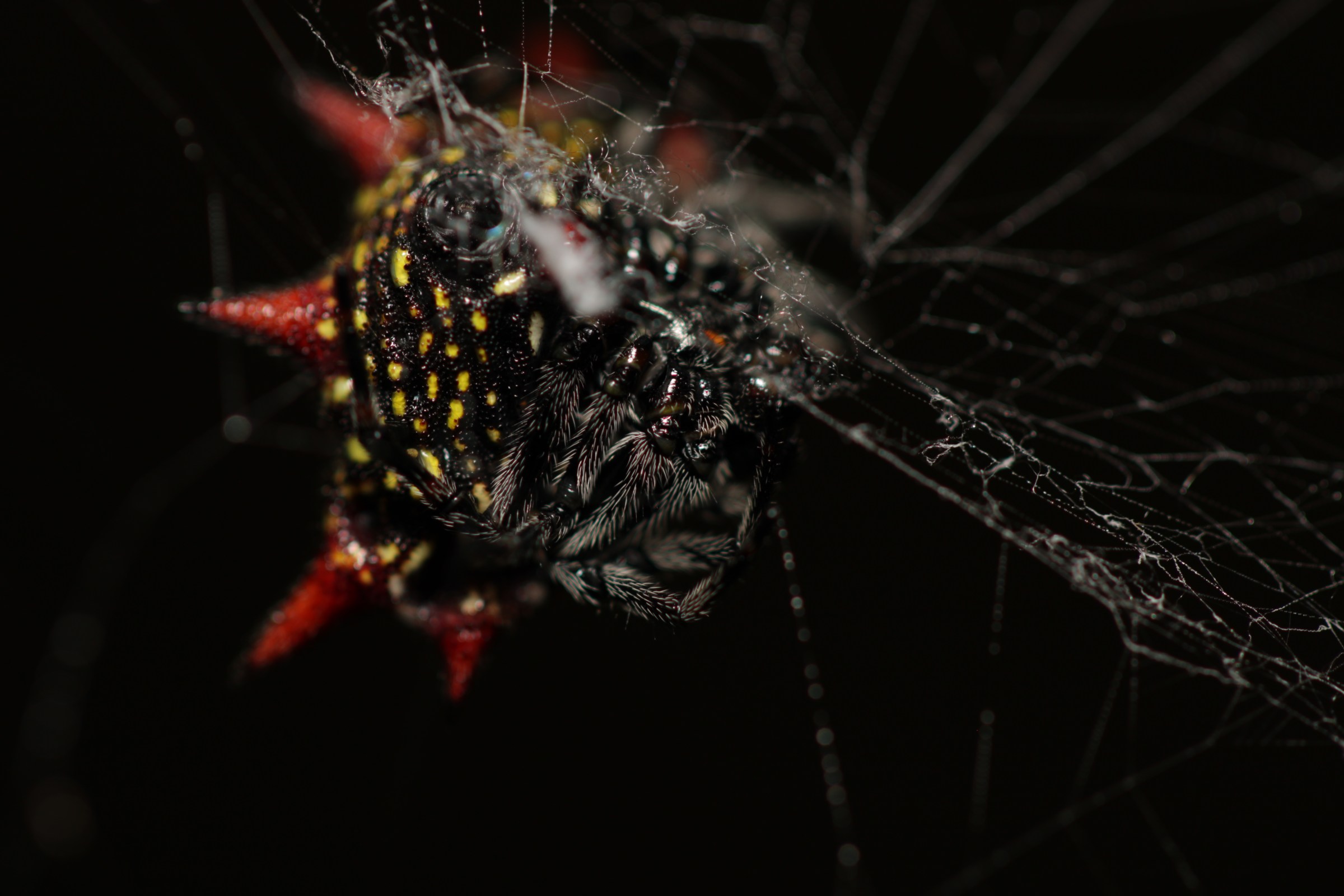

Florida’s warm, humid climate provides a haven for many. Diverse ecosystems support a wide variety of spider species. Many spiders are beneficial. They play a crucial role in controlling insect populations. However, their presence in and around our homes can be unsettling, highlighting the need for effective spider control.
Effective spider control is a common concern for homeowners across the state. This issue affects areas from bustling cities to quiet coastal communities like Venice, FL.
Understanding the nuances of spider behavior is essential. Recognizing the challenges of controlling them is important. Knowing the best practices for prevention and removal helps maintain a comfortable and pest-free living environment.

A Diverse Web of Arachnids: Common Florida Spiders
Florida’s spider population is remarkably diverse, encompassing a wide range of sizes, shapes, and behaviors. Identifying the types of spiders you encounter is the first step in effective control. Here are some of the most common spiders found in Florida:
House Spiders (Parasteatoda tepidariorum)
These are perhaps the most common spiders found in homes throughout Florida. They build tangled, irregular webs in corners, under furniture, and in other sheltered areas. While they can be a nuisance, they are generally harmless and help control other insect pests.
Wolf Spiders (Lycosidae)
These are large, hairy spiders that are active hunters. They don’t build webs to catch their prey but instead run them down. Wolf spiders are common in gardens and yards and can sometimes wander indoors. While they can be intimidating due to their size, they are generally not aggressive.
Jumping Spiders (Salticidae)
These small, agile spiders are easily recognized by their jerky movements and excellent vision. They are active hunters and are often seen during the day. Jumping spiders are beneficial as they prey on insects.
Orb Weaver Spiders (Araneidae)
These are known for their large, circular, and intricate webs. They are commonly found in gardens and around homes, where they catch flying insects. While their webs can be a nuisance, they are beneficial for pest control.
Black Widow Spiders (Latrodectus mactans)
These are venomous spiders that are found throughout Florida. They are easily identified by their glossy black body and the red hourglass marking on their underside. Black widow spiders prefer sheltered locations and their bites can be medically significant.
Brown Recluse Spiders (Loxosceles reclusa)
Brown recluse spiders are less common in Florida than in some other states. However, they can be found in certain areas. They are reclusive and prefer dark, undisturbed places. Their bites can cause severe tissue damage.
The Challenges of Spider Control: Why It’s Not Always Easy
Controlling spiders can be more challenging than controlling insects for several reasons. Understanding these challenges is crucial for effective pest management.
- Spiders Are Arachnids, Not Insects: This fundamental difference in biology impacts the effectiveness of insecticides. Insecticides designed to target insects may not be as effective. They are less effective against spiders.
- Varied Spider Behaviors: Spiders exhibit a wide range of behaviors. Some are web builders, while others are active hunters. This variation makes it difficult to target them with a single control method.
- Limited Surface Contact: Spiders often have less contact with treated surfaces compared to insects. Their legs are adapted for walking on webs and may minimize contact with surfaces where residual insecticides are applied.
- Web-Spinning Habits: Spiders that build webs spend much of their time off treated surfaces, residing in their webs. This limits their exposure to residual insecticides.
- Grooming Habits: While spiders do groom themselves, their grooming behavior may not result in ingesting lethal doses of insecticides. This makes it less likely for them to absorb enough of the chemicals to be fatal.
- Egg Sacs: Spider egg sacs are often resistant to insecticides, which means that new spiders can hatch even after treatment.
- Food Sources: Spiders feed on insects. If there is an abundance of insects in and around your home, spiders will be attracted to the area. Controlling insect populations is an important part of spider control.
- Environmental Factors: Florida’s warm, humid climate provides ideal conditions for spiders to thrive, making it more challenging to control them
The Difficulties of Using Residual Insecticides for Spider Control
Residual insecticides are designed to remain effective for an extended period after application, providing ongoing pest control. However, they present several challenges when it comes to spider control.
Environmental Concerns: The use of residual insecticides can have negative impacts on the environment, including harm to non-target organisms.
Insecticide Specificity: Many insecticides are designed to target specific physiological processes in insects. Spiders, being arachnids, have different physiologies, which can make them less susceptible to these insecticides.
Limited Effectiveness: Residual insecticides often have limited effectiveness against spiders. This is due to the factors mentioned earlier, such as their behavior and limited surface contact.
Webs and Surfaces: Spiders spend a significant amount of time on their webs. These webs are not typically treated with residual insecticides. This limits their exposure to the insecticide.
Resistance: Spiders, like insects, can develop resistance to insecticides, making them even more difficult to control.
Effective Strategies for Spider Control
Residual insecticides may not be the most effective solution for spider control. However, there are several other strategies that can be used.
Habitat Modification: Reducing clutter and debris around your home can eliminate hiding places for spiders. Trimming vegetation away from your home can also help prevent spiders from entering.
Exclusion: Sealing cracks and crevices in your home’s foundation and walls can prevent spiders from entering. Installing screens on windows and doors can also help.
Web Removal: Regularly removing spider webs can help reduce spider populations. Use a broom or vacuum to remove webs and egg sacs.
Direct Contact Sprays: These insecticides are applied directly to spiders and are effective for immediate control. However, they do not provide long-lasting protection.
Sticky Traps: These traps can be used to capture spiders and other pests. They are particularly effective for trapping spiders that crawl on the ground.
Vacuuming: Vacuuming can be an effective way to remove spiders, webs, and egg sacs.
Professional Pest Control: For severe infestations, contact professional pest control services. Do this if you notice venomous spiders. Experienced technicians have the knowledge and tools to safely and effectively eliminate spider infestations.
Spider Control in Venice, FL
In communities like Venice, FL, the warm climate and proximity to water can create ideal conditions for spiders to thrive. Effective spider control is essential for maintaining a comfortable living environment.
Local Challenges: Venice, FL, with its coastal environment, may experience specific spider challenges. This can include a higher prevalence of certain species. There might be increased activity during certain times of the year.
Tailored Solutions: Pest control professionals in Venice, FL, are familiar with the local spider populations. They can provide tailored solutions to address specific infestations.
Integrated Pest Management: In Venice, FL, IPM is often the most effective approach for spider control. This is true in other areas as well. This strategy is comprehensive and adaptable. This method combines habitat modification, exclusion, and targeted treatments to provide long-term control.
How to Get Rid of Spiders: A Step-by-Step Approach
If you’re dealing with a spider problem, here’s a step-by-step approach to help you get rid of them:
Identify the Spiders: If possible, try to identify the types of spiders you are seeing. This will help you determine if they are venomous and what control methods will be most effective.
Clean and Declutter: Remove clutter and debris from around your home, both inside and out. This will eliminate hiding places for spiders.
Seal Entry Points: Inspect your home for cracks and crevices and seal them with caulk or other materials.
Remove Webs and Egg Sacs: Use a broom, vacuum, or other tool to remove spider webs and egg sacs. Dispose of them properly.
Use Direct Contact Sprays: If you see a spider, you can use a direct contact spray to kill it. Follow the label directions carefully.
Set Up Sticky Traps: Place sticky traps in areas where you have seen spiders.
Consider Professional Help: If you have a severe infestation, contact a professional pest control service. This is also advised when dealing with venomous spiders.
Preventing Future Spider Problems
Professional exterminators play a pivotal role in pest management. Their expertise allows them to identify pests accurately Prevention is key to long-term spider control. Here are some tips to help prevent future spider problems:
Maintain a Clean Home: Regularly clean and declutter your home to reduce hiding spots and food sources for spiders. Control Insect Populations: Spiders feed on insects. Controlling insect populations in and around your home will help reduce spider activity.
Landscape Maintenance: Keep your yard clean and well-maintained. Trim vegetation away from your home and remove debris.
Regular Web Removal: Regularly remove spider webs and egg sacs to prevent spider populations from increasing.
Seal Entry Points: Inspect your home regularly for cracks and crevices and seal them as needed.
Conclusion: A Web of Solutions for Spider Control
Spider control can be a complex and ongoing process. Understanding spider behavior, the challenges of controlling them, and the available control methods is essential for success. In Florida, spiders thrive in the warm climate. A comprehensive approach is often the most effective way to manage spider populations. This approach combines prevention, habitat modification, and targeted treatments. Whether you’re dealing with a few house spiders or a more serious infestation, take the right steps. It can help you maintain a comfortable and pest-free home. Remember that for persistent or severe problems, especially when venomous spiders are present, professional pest control services are highly recommended.
Leave a Reply